Who should get it:
Adults (Immunization against RSV lower respiratory tract disease):
- Adults aged 60 and older
- Adults aged 18–59 who are at increased risk for severe RSV disease (e.g., chronic heart/lung disease, diabetes, immunocompromised, residents of long-term care)
- Note: CDC currently recommends a single dose for adults 75+ and adults 50–74 at increased risk
Pregnant individuals:
- Pregnant individuals at 32 through 36 weeks gestational age — to protect the infant from birth through 6 months of age
Schedule:
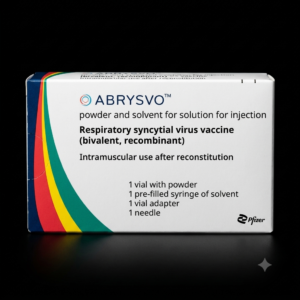
- ABRYSVO is a single-dose vaccine (0.5 mL, intramuscular) — not a multi-dose series like rabies PEP
- Adults: one dose, given any time of year (best timing is late summer/early fall, before RSV season)
- Pregnancy: one dose given specifically between 32–36 weeks gestation, typically administered seasonally (roughly September–January in many US programs, aligned with RSV season) so the infant is born with protective antibodies
- People who have already received one dose (including in a prior year) should not receive another dose at this time — it is not currently an annual vaccine
Why vaccinate:
- RSV can cause severe lower respiratory tract disease, especially dangerous in older adults, people with chronic conditions, and infants
- In infants, RSV is a leading cause of hospitalization in the first year of life — maternal vaccination transfers protective antibodies before birth
- One dose has shown durable protection lasting at least ~2 years in adults, based on real-world data
Important note:
Unlike rabies PEP, ABRYSVO is preventive, not post-exposure — it does not treat active infection. Timing matters most for pregnant patients: vaccination outside the 32–36 week window (or outside the local RSV season) can be considered an administration error in some programs (e.g., US TVFC guidance), so scheduling accuracy is clinically important. Contraindicated in anyone with a history of severe allergic reaction to any ABRYSVO component.