Protects against:
- Severe, watery, potentially lethal diarrhea caused by Vibrio cholerae (serogroups O1 and O139)
Who should get it:
- Anyone aged 1 year and older
- People living in or traveling to cholera-endemic areas or active outbreak zones
- Populations in humanitarian crisis settings (displacement camps, disaster zones) at heightened risk
- Recommended during outbreak response and preventive mass vaccination campaigns in high-risk “hotspots”
- WHO recommends offering it to pregnant women during vaccine campaigns, given that contracting cholera during pregnancy can cause complications, including miscarriage and preterm delivery Johns Hopkins Bloomberg School of Public Health
Schedule:
Standard 2-dose regimen:
- Dose 1: Day 0
- Dose 2: at least 14 days after Dose 1 (interval can be extended much longer — even up to a year — if logistically necessary, without needing to restart)
- Earliest onset of protection is expected 7–10 days after completion of the primary series MIMS
Outbreak/single-dose exception:
- During outbreaks or vaccine shortages, a single dose may be given instead of two, to extend limited supply to more people — protection is shorter but still reduces case numbers Johns Hopkins Bloomberg School of Public Health
Duration:
- Two doses provide protection against cholera for at least 3 years; one dose provides short-term protection of at least 6 months Choleraoutbreak
Why vaccinate:
- Cholera can cause severe, rapid dehydration and death within hours if untreated
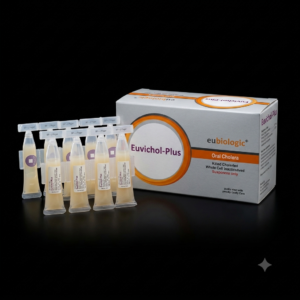
- Oral, needle-free — logistically easier for mass campaigns than injectable vaccines
- Effective outbreak-control tool alongside WASH (water, sanitation, hygiene) measures
Important note:
- Immunization should be delayed in the presence of any acute illness, including acute gastrointestinal or febrile illness MIMS
- Contraindicated in anyone with known hypersensitivity to vaccine components or a severe reaction to a prior dose
- No refrigeration substitute — cold chain must be maintained during storage and transport MSF Medical Guidelines
- Vaccination should ideally be completed before the local cholera season/outbreak, not as a substitute for safe water and sanitation practices