Protects against:
- Cancers and diseases caused by 9 types of HPV (human papillomavirus): cervical, vulvar, vaginal, anal, oropharyngeal and other head and neck cancers caused by HPV types 16, 18, 31, 33, 45, 52, and 58; precancerous or dysplastic lesions caused by these plus HPV types 6 and 11; and genital warts caused by HPV types 6 and 11
Who should get it:
- Males and females aged 9 through 45 years
- Best given before onset of sexual activity, ideally ages 11–14, since most people catch HPV soon after they become sexually active
- Catch-up vaccination recommended for those who missed it as adolescents, up to age 26 (and case-by-case discussion for ages 27–45)
- People who are already sexually active, or who have one HPV strain, can still benefit, since the vaccine can protect against other strains they don’t yet have
Schedule:
Ages 9–14 (2-dose OR 3-dose option):
- 2-dose schedule: Dose 1 at Day 0, Dose 2 at 6–12 months later
- If the second shot is given less than 5 months after the first, a third shot is needed at least 4 months after the second
- 3-dose schedule: Dose 1 (Day 0), Dose 2 (2 months later), Dose 3 (6 months later)
Ages 15–45 (3-dose schedule only):
- Given at 0, 2 months, and 6 months
- Minimum intervals: 4 weeks between doses 1 and 2, 12 weeks between doses 2 and 3, and 5 months between doses 1 and 3
Duration of protection:
- Duration of immunity for the 2-dose schedule has not been established
- Antibody response is strong and durable in trials, though no specific booster is currently recommended after series completion
Why vaccinate:
- Nearly 100% of cervical cancers are caused by HPV infection
- HPV also causes a majority of anal cancers and a significant share of vulvar, vaginal, and penile cancers
- Prevents the cancer-causing infection itself — before exposure occurs — rather than treating disease after it develops
Important note:
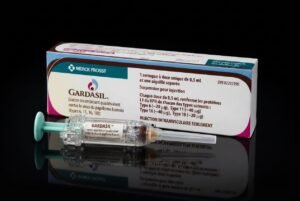
- Gardasil 9 does not treat existing HPV infection, cancer, genital warts, or precancerous lesions — it is preventive only
- Vaccination does not remove the need for routine cervical cancer screening
- Not given during pregnancy
- Contraindicated if there was an allergic reaction after the first HPV shot, or if the person has severe, life-threatening allergies
- Fainting can occur after HPV vaccination, sometimes causing falls and injury — patients are often asked to sit or lie down for 15 minutes post-injection
- Vaccines from different manufacturers are not interchangeable — a series started with one HPV vaccine should be completed with the same one